Eco-Friendly Elegance: The Rise of Ethical and Sustainable Jewelry Trends
Jewelry has always been a symbol of beauty, love, and status. For centuries, people have admired gemstones and precious metals, wearing them to express their personalities and celebrate special moments. However, as the world becomes more aware of environmental issues and ethical concerns, the jewelry industry is changing. Today, more people want jewelry that is not only beautiful but also eco-friendly and responsibly sourced.
In this article, we will explore the rise of ethical and sustainable jewelry, the trends shaping this movement, and how consumers can make better choices when buying jewelry.

Why Ethical and Sustainable Jewelry Matters
The traditional jewelry industry has often been linked to environmental damage and unfair labor practices. Mining for gold, diamonds, and other gemstones can cause deforestation, water pollution, and soil erosion. In some parts of the world, mining is also connected to child labor, poor working conditions, and unfair wages.
Sustainable and ethical jewelry aims to change this. By using eco-friendly materials, fair trade practices, and transparent sourcing, jewelry brands are working to create beautiful pieces without harming people or the planet. This shift is driven by consumer demand, as more buyers seek responsible alternatives.
Key Trends in Ethical and Sustainable Jewelry
1. Lab-Grown Diamonds & Gemstones
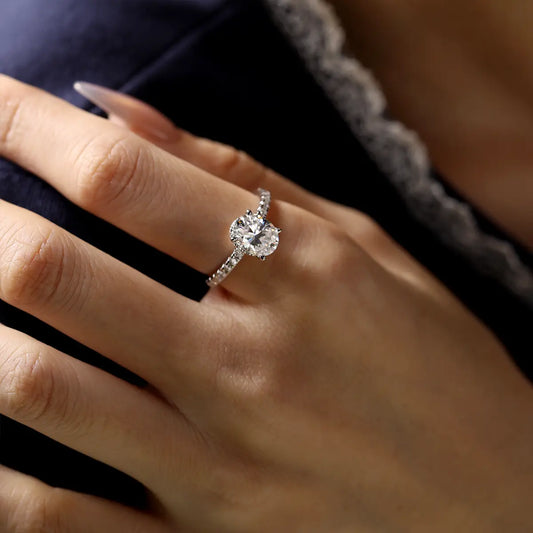
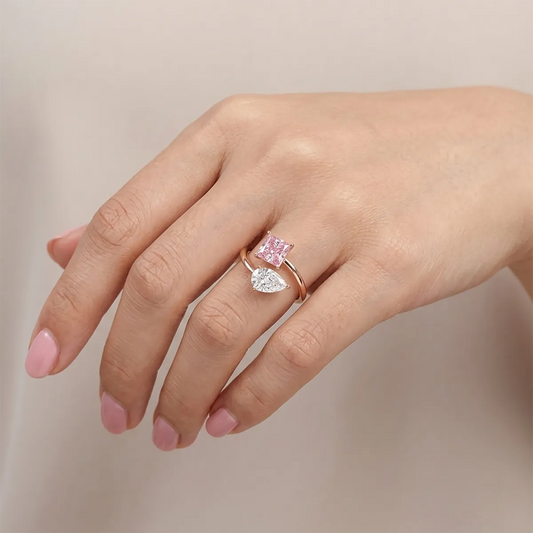
Lab-grown diamonds and gemstones have become very popular in recent years. These stones are created in a laboratory using advanced technology that mimics the natural process of gemstone formation. The result is a diamond or gemstone that looks identical to a mined one but has a much lower environmental impact.
Lab-grown diamonds are:
Physically, chemically, and visually the same as mined diamonds
Free from unethical mining practices
More affordable than natural diamonds
Besides diamonds, other gemstones like sapphires, rubies, and emeralds are also being produced in labs. These stones offer a sustainable alternative for those who love colorful jewelry.

2. Recycled Metals & Materials
Mining for gold and silver causes deforestation and water pollution. To reduce the need for new mining, many jewelers are now using recycled metals. Old jewelry, electronic waste, and industrial scraps are melted down and refined to create new pieces.
Recycled gold, silver, and platinum are just as valuable and durable as newly mined metals. By choosing jewelry made from recycled materials, consumers can help reduce the demand for destructive mining.
3. Fair Trade & Ethical Sourcing
Many jewelry brands are now committed to fair trade practices. This means they ensure that the people who mine and craft the jewelry are paid fair wages and work in safe conditions. Fair trade jewelry also avoids conflict diamonds, sometimes called "blood diamonds," which are mined in war zones and used to fund violence.
Organizations like the Fairmined and Fairtrade Gold initiatives help certify ethical mining practices. When buying jewelry, looking for these certifications can help consumers make responsible choices.
4. Eco-Friendly Packaging
Sustainable jewelry is not just about the materials used—it also includes packaging. Many brands are moving away from plastic boxes and synthetic materials. Instead, they use biodegradable, recycled, or reusable packaging.

Some eco-friendly packaging ideas include:
Wooden or bamboo jewelry boxes
Recycled paper or cardboard packaging
Fabric pouches made from organic cotton
This shift helps reduce waste and encourages sustainable practices beyond just the jewelry itself.
5. Minimalist & Timeless Designs
Fast fashion has influenced the jewelry industry, leading to mass production and cheap, disposable pieces. However, sustainable jewelry encourages people to invest in timeless, high-quality designs that last for years.
Minimalist and classic styles are trending because they:
Are versatile and can be worn with different outfits
Do not go out of fashion quickly
Encourage mindful consumption instead of buying in excess
By choosing well-crafted pieces, consumers can build a meaningful jewelry collection without unnecessary waste.
6. Brand Transparency & Certifications
Consumers today want to know where their jewelry comes from. Many ethical brands are transparent about their supply chains, showing exactly where their materials are sourced and how they are processed.
Certifications that indicate responsible practices include:
Fairtrade Gold – Ensures fair wages and ethical mining
Responsible Jewellery Council (RJC) – Promotes ethical, social, and environmental responsibility
Kimberley Process Certification – Prevents the sale of conflict diamonds
Checking for these certifications can help buyers make informed decisions when shopping for sustainable jewelry.

The Benefits of Choosing Sustainable Jewelry
Choosing ethical and sustainable jewelry has many advantages:
Better for the Environment – Reduces mining, pollution, and waste
Supports Fair Wages – Ensures workers in the industry are treated fairly
High-Quality Craftsmanship – Sustainable jewelry is often well-made and long-lasting
Unique & Meaningful – Many ethical brands focus on handcrafted designs with personal stories
By investing in sustainable pieces, consumers can enjoy their jewelry while knowing they are making a positive impact.
How to Identify Ethical & Sustainable Jewelry
If you are interested in buying eco-friendly jewelry, here are some tips to help you choose wisely:
Check the Brand’s Ethics – Look at the brand’s website and see if they share details about their materials, sourcing, and production practices.
Look for Certifications – Choose jewelry with labels like Fairtrade Gold, RJC, or Kimberley Process certification.
Ask About Materials – Opt for lab-grown diamonds, recycled metals, or fair trade gemstones.
Consider Small or Independent Jewelers – Many independent jewelry makers focus on ethical craftsmanship and sustainability.
Avoid Fast Fashion Jewelry – Instead of buying cheap, mass-produced jewelry, invest in high-quality pieces that last longer.
The Future of Sustainable Jewelry
The demand for ethical jewelry is growing, and the industry is adapting. Many big jewelry brands are now investing in sustainability, while new startups are emerging with innovative eco-friendly designs.
In the future, we can expect:
More advanced technology for lab-grown diamonds and gemstones
Stricter regulations to ensure ethical mining and sourcing

Conclusion
Sustainable and ethical jewelry is more than just a trend—it is a movement toward a better future. Consumers today have the power to choose jewelry that reflects not only their style but also their values.
By supporting brands that prioritize sustainability, using recycled and fair trade materials, and investing in timeless designs, people can enjoy beautiful jewelry without harming the planet.
The next time you shop for a ring, necklace, or bracelet, consider where it comes from and the impact it has. With the rise of ethical and eco-friendly jewelry, elegance and responsibility now shine together.
FAQs (Frequently Asked Questions)
1. What is sustainable jewelry?
Sustainable jewelry refers to jewelry made using environmentally friendly and ethically sourced materials. It includes lab-grown gemstones, recycled metals, and fair-trade practices to reduce environmental impact and promote ethical working conditions.
2. Why is ethical jewelry important?
Traditional jewelry production often involves harmful mining practices, unfair wages, and poor working conditions. Ethical jewelry ensures fair treatment of workers, reduces environmental damage, and promotes responsible sourcing.
3. What are lab-grown gemstones?
Lab-grown gemstones are created in controlled environments using advanced technology that replicates natural gemstone formation. They have the same physical, chemical, and optical properties as mined gemstones but are more sustainable and ethical.
5. What is the benefit of using recycled metals in jewelry?
Recycled metals, such as gold and silver, reduce the need for new mining, which helps prevent deforestation, water pollution, and excessive energy use. They are refined and reused without losing quality.
7. Where can I buy ethical and sustainable gemstones?
One of the best places to buy ethically sourced and lab-grown gemstones is Wuzhou Shera Gem and Jewelry. They specialize in high-quality, lab-created diamonds, sapphires, rubies, emeralds, and moissanite, offering a sustainable alternative to mined gems.
8. Is sustainable jewelry more expensive than traditional jewelry?
Not necessarily. While some ethical jewelry pieces may cost more due to fair labor wages and responsible sourcing, lab-grown gemstones and recycled metals often make sustainable jewelry more affordable than mined alternatives.
Greater consumer awareness and demand for sustainable options
The jewelry industry is changing for the better, proving that luxury and responsibility can go hand in hand.