The Art of Matching Principles and Style Shaping in Jewelry Design
Jewelry is an art form that has evolved over thousands of years, to embody not only beauty but also the deeper meaning, cultural meaning, and personal expression of the wearer. In the world of jewelry design, two critical elements guide the creation of truly captivating pieces: matching principles and style shaping. While these concepts are different, they work hand in hand to produce jewelry that is aesthetically pleasing, well-balanced, and meaningful.
In this article, we will study these two foundational aspects of jewelry design—matching principles and style shaping—and explore how they contribute to the creation of timeless, innovative, and meaningful jewelry.

Matching Principles in Jewelry Design
When it comes to jewelry design, the concept of matching principles refers to the harmonious combination of elements such as colors, shapes, sizes, and materials to create an aesthetically cohesive piece. These principles are essential because they ensure that each part of the jewelry complements the others, allowing for a balanced and visually appealing result. Here, we will break down some of the most important matching principles in jewelry design.
1. Color Matching
Color is one of the most influential elements in jewelry design, and matching colors properly can make or break a piece of jewelry. Jewelry designers often work with a variety of gemstones and metals, each with its own color palette. Choosing colors that complement each other creates a pleasing visual effect, while poorly chosen colors can clash and disrupt the harmony of the design.
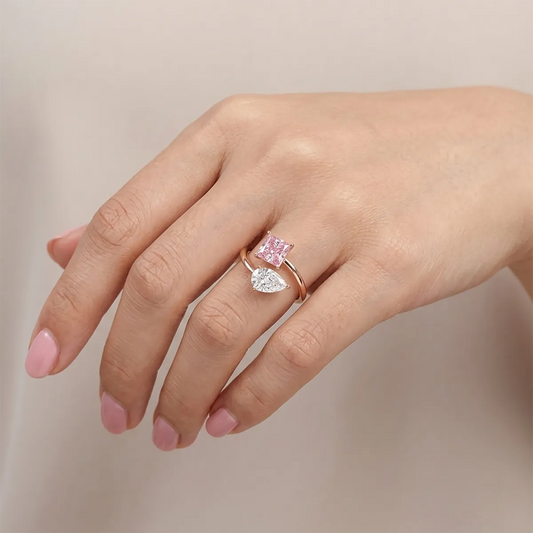
Complementary Colors: Complementary colors are located opposite each other on the color wheel. In jewelry, this might mean pairing warm tones, like red, orange, or yellow, with cool tones, like blue, green, or purple. For example, a piece featuring rubies (red) paired with emeralds (green) creates a striking contrast that draws attention to the individual stones.
Analogous Colors: Analogous colors are those that sit next to each other on the color wheel, and they typically work together seamlessly. For example, a design featuring sapphires (blue) with tanzanite (violet) creates a harmonious, subtle contrast that appeals to those who prefer understated elegance.
Monochromatic Colors: A monochromatic color scheme involves using different shades, tones, or tints of a single color. For example, various shades of blue sapphires can create a sophisticated, cohesive design that is both modern and timeless.
2. Metal and Gemstone Pairing
Metals are another another aspect of jewelry design. Gold, silver, and platinum each have unique characteristics that can either enhance or detract from the appearance of gemstones. The key to successful metal and gemstone pairing lies in understanding the inherent properties of both.

Warm vs. Cool Metals: Warm metals like yellow gold and rose gold tend to pair with warm tones gemstones such as garnets, citrines, or diamonds with a yellow or brownish hue. In contrast, cool metals like white gold, platinum, or sterling silver work beautifully with cooler-toned gemstones such as blue sapphires, emeralds, or diamonds with a blue or grayish hue.
Metal Durability and Appearance: Harder metals like platinum are often chosen for engagement rings because they offer durability and a reflective surface that enhances the brilliance of diamonds. On the other hand, softer metals like gold may be used for delicate or intricate designs, allowing for more detailed work.
3. Shape and Cut Matching
The shape and cut of gemstones play a crucial role in the overall appearance and functionality of a jewelry piece. Matching the shape and cut of a gemstone with the overall design ensures a cohesive, balanced look.
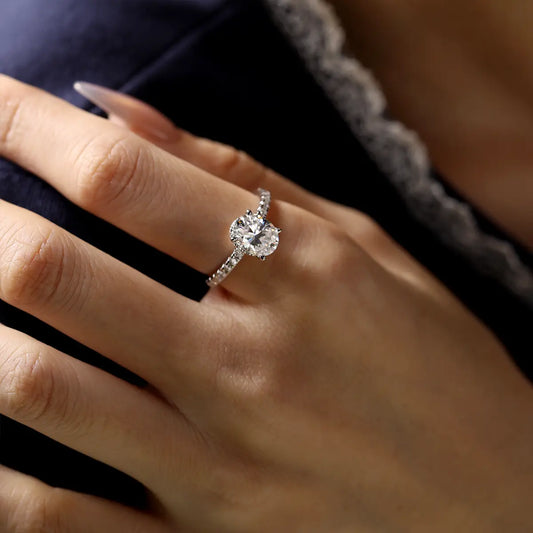
Shape Considerations: Different gemstone shapes create different emotions and styles. Round-cut diamonds are timeless and versatile, fitting well in traditional designs like solitaire engagement rings. On the other hand, more unconventional cuts, such as marquise or pear-shaped gemstones, often suitable for modern, avant-garde designs.
Cut and Setting Style: The way gemstones are cut also plays a significant role in matching principles. A brilliant-cut stone, with its many facets, works best in a classic setting where the focus is on maximizing the stone’s brilliance. A cabochon-cut stone, which is smooth and rounded, typically pairs well with vintage or bohemian-inspired settings.

4. Size and Proportions
Size and proportions are also an integral part of the matching principles. In jewelry design, it is essential that the different elements—whether they are gemstones, metals, or other ornaments—are properly proportioned to one another.
Proportionality: If the center gemstone is too large relative to the band or other surrounding elements, the piece can feel unbalanced or overwhelming. Conversely, if the stones are too small, the overall design may lack visual impact. Finding the right proportion between the different elements ensures a harmonious design.
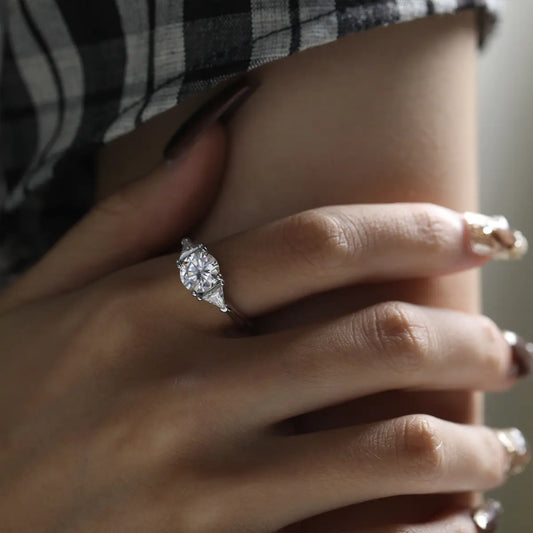
Multiple Gemstones: When designing pieces with multiple gemstones, the size of each stone should be considered in relation to the others. For example, a large center stone surrounded by smaller accent stones can create a balanced, aesthetically pleasing effect.
Style Shaping in Jewelry Design
While matching principles focus on the technical aspects of design, style shaping is the creative process that shapes the overall aesthetic of the piece. Style shaping refers to the use of historical, cultural, and personal influences to guide the design of a jewelry piece. It allows designers to imbue their work with meaning, beauty, and relevance to the wearer.
1. Historical Styles and Influences
Jewelry design is often inspired by historical trends, and different eras have their own unique styles and characteristics. Designers draw inspiration from these periods to create pieces that call a certain time or place.
Art Deco: Known for its geometric shapes, symmetrical patterns, and bold color contrasts, Art Deco jewelry from the 1920s and 1930s is still popular today. Designers often incorporate angular lines, sharp edges, and vibrant gemstones like emeralds, sapphires, and diamonds to create a sense of elegance and sophistication of this period.
Victorian: The Victorian era was marked by intricate, romantic designs that often-featured floral motifs, filigree work, and sentimental symbols. Victorian jewelry was often made of gold and adorned with diamonds, pearls, and colored gemstones. This period’s focus on personal expression and emotion continues to inspire modern designers.

Retro: Retro jewelry from the 1940s and 1950s was bold, oversized, and sculptural. Designs often featured large gemstones, such as aquamarine, citrine, and topaz, and were characterized by their organic, flowing shapes.
2. Cultural Influence
Culture plays an important role in shaping the style of jewelry designs. Designers often look to various cultures and traditions for inspiration, incorporating cultural elements into their creations.
Indian Jewelry: Known for its intricacy and use of vibrant gemstones, Indian jewelry often features gold or silver settings and designs that reflect the rich traditions of the subcontinent. Large gemstones, such as rubies, emeralds, and diamonds, are often used, and many pieces are decorated with intricate patterns and motifs.
Scandinavian Jewelry: Unlike opulence of Indian jewelry, Scandinavian designs tend to emphasize minimalism, functionality, and natural beauty. This style is characterized by simple, geometric shapes and clean lines characterize this style, often with a focus on silver, pearls, and semi-precious stones.

3. Modern and Contemporary Trends
In the modern world, jewelry design trends continue to evolve. One of the major factors is the growing demand for personalized and durable jewelry. Consumers today are looking for pieces that reflect their personal tastes, lifestyles, and values.
Minimalism: Minimalist designs, characterized by clean lines, subtle gemstones, and simple settings, have gained immense popularity in recent years. This style often features small, delicate stones in subtle settings that let the wearer’s personal style shine through.
Sustainable Jewelry: As awareness of environmental issues grows, sustainable jewelry is becoming increasingly important. Designers are opting for recycled metals, ethically sourced gemstones, and lab-grown diamonds to create pieces that align with consumers' ethical and ecological concerns.
4. Mixing Styles and Personalization
One of the most exciting aspects of modern jewelry design is the ability to mix different styles, materials, and influences. Eclectic designs, that combine elements from various eras and cultures, are becoming more popular as consumers seek jewelry that feels unique and personalized. For example, a designer might combine a vintage Art Deco ring with a modern, simple band, creating a piece that feels both timeless and modern.
In addition, personalization has become a major trend in jewelry. Custom designs that incorporate meaningful elements, such as engraved initials, birthstones, or symbols, allow the wearer to give their jewelry with personal meaning.
Conclusion
Jewelry design is a delicate balance between art and science, creativity and calculation. Matching principles ensure that the individual elements of a design come together in a harmonious, visually attractive way, while style shaping adds the cultural, historical, and personal elements that make each piece unique. By understanding and applying these principles, designers can create jewelry that not only highlights the beauty of the wearer but also tells a story, evokes emotion, and transcends trends. Whether inspired by history, culture, or personal expression, the combination of matching principles and style shaping is what turns a piece of jewelry from a simple ornment into a work of art.
FAQs: Matching Principles and Style Shaping of Jewelry
i. What are matching principles in jewelry design?
Matching principles in jewelry design refer to the guidelines that ensure harmony and balance between various elements such as colors, shapes, sizes, and materials. These principles help designers create aesthetically pleasing and well-coordinated pieces by carefully pairing gemstones, metals, and other components in ways that complement each other.
ii. Why is color matching important in jewelry design?
Color matching is crucial because the right color combinations enhance the visual appeal of a piece. Properly matched colors can create contrast, harmony, or subtlety, depending on the design. Designers use complementary, analogous, or monochromatic color schemes to either make gemstones stand out or create a seamless, cohesive look.
iii. How do you choose the right metal for jewelry?
The choice of metal in jewelry depends on the desired aesthetic, durability, and compatibility with the gemstone(s). For example:
Warm metals like yellow or rose gold work well with warm-toned gemstones like rubies and citrines.
Cool metals such as platinum or white gold are ideal for cooler-toned gemstones like sapphires, diamonds, and emeralds. Metals also affect the longevity and cost of the jewelry. Harder metals like platinum are more durable, while softer metals like gold can be more intricate and easier to shape.
iv. What is the role of gemstone shape and cut in jewelry design?
The shape and cut of a gemstone significantly impact the overall look and feel of a jewelry piece. Gemstone shapes like round, oval, pear, or marquise determine how the stone fits within a design. Additionally, the cut (such as brilliant or cabochon) affects how the gemstone reflects light and its visual impact. Designers match the gemstone shape and cut with the style of the piece to enhance its beauty and create a cohesive design.
v. What is style shaping in jewelry design?
Style shaping refers to the creative process that defines the overall aesthetic and theme of a jewelry piece. It involves using various influences, such as historical periods, cultural traditions, and personal preferences, to shape the design. Style shaping ensures that the jewelry is not just aesthetically pleasing but also resonates with the wearer's style and values.
vi. What is personalized jewelry, and how does it shape modern design?
Personalized jewelry refers to pieces that are customized to reflect the wearer’s individual tastes, beliefs, or significant life events. This can include custom engravings, birthstones, or symbols that hold personal meaning. Personalized jewelry allows the wearer to express their identity, making the piece not just a fashion accessory but a cherished, meaningful item.
vii. Is it possible to visit Wuzhou Shera Jewelry for a purchase?
Yes, Wuzhou Shera Jewelry welcomes clients to visit their facilities in Wuzhou, China. As the city is a hub for gemstone manufacturing, visitors can explore a variety of gemstone options directly and even learn more about the production process. This hands-on approach is especially beneficial for business owners or jewelry designers seeking reliable suppliers.
viii. Why is Wuzhou Shera Jewelry popular for gemstones and jewelry?
Wuzhou Shera Jewelry is popular for several reasons:
Affordable Pricing: The company provides high-quality gemstones and jewelry at competitive prices, making them accessible to a wide range of buyers.
Customization: Shera Jewelry allows clients to customize cuts, shapes, and sizes, offering both traditional and modern styles like brilliant and crushed ice ovals.
Innovation: They stay updated with the latest trends in the jewelry industry, offering modern cuts and gemstone technologies, such as lab-grown diamonds and moissanite.
Location Advantage: Being located in Wuzhou, a city with a rich history in gemstone production, Shera Jewelry benefits from an experienced workforce and access to advanced cutting and polishing techniques.
ix. Is it easy to source gemstones and jewelry from Wuzhou Shera Gem Factory as an international buyer?
Yes, Wuzhou Shera Gem and jewelry Factory targets to both domestic and international clients. They are experienced in exporting gemstones and typically provide convenient shipping options and clear communication about orders. If you’re in China, visiting Wuzhou to explore their offerings in person is highly recommended for a better understanding of their products and services.
x. How do I place an order with Wuzhou Shera Jewelry?
You can place an order with Wuzhou Shera Jewelry through their official website or by contacting their sales team directly. For custom designs or bulk purchases, you can provide your specific requirements for gemstones (e.g., shape, cut style, carat size, color, etc.), and they will guide you through the process.
xi. Where can I find authentic gemstones and jewelry for sale?
At Shera Jewelry, we offer a wide range of authentic gemstones and jewelry. Our collection is curated to provide stunning, high-quality stones that meet the most discerning standards. Shop conveniently through our website or contact us for personalized assistance.
xii.What is Shera Jewelry?
Shera Jewelry is a trusted manufacturer based in Wuzhou , China, one of the world’s largest synthetic gemstone production hubs. With over 12 years of experience, Shera Gems has built a strong reputation by working with many well-known jewelers and providing top-quality gemstones and professional solutions.
The company offers a wide variety of loose stones and raw materials in all shapes, sizes, and colors. Customers can find everything from cubic zirconia, synthetic corundum/spinel, and moissanite to lab-gown diamonds, emeralds, rubies, sapphires, and loose pearls and shells. Shera Jewelry also specializes in supplying bulk gemstones and providing custom solutions to meet the specific needs of each client.